
Linn County Court Docket Basics
A docket is the court's running event log. In Linn County, a docket entry may show a petition filed, summons issued, warrant issued or recalled, hearing set, case continued, plea entered, judgment signed, sentence imposed, payment posted, or document filed. The docket helps a reader see case movement without opening every document in the file. It is especially useful for active cases because the next hearing date, courtroom, judge, and event type may appear before a written order is available.
A docket is narrower than a full case record. It can point to documents, but it may not reveal the document text, exhibit content, protected addresses, financial account details, juvenile information, or sealed material. For certified copies, older paper files, or a confusing docket entry, the Linn County Circuit Clerk is the local fallback. For sheriff incident or arrest reports, the docket is not enough because those are law-enforcement records created outside the court file.
Search Linn County Court Dockets
Linn County court dockets are searched through Missouri Case.net. The portal supports case searches and scheduled-hearing searches. A person with a case number can go straight to the case docket. A person without a case number can search by party name, business name, attorney, filing date, case type, or scheduled hearing date. When the exact hearing day is known, the scheduled-hearing option can be faster than a broad name search.
- Open Case.net and choose the case search or scheduled-hearing search path.
- Select Linn County or the 9th Judicial Circuit if a court-location filter is offered.
- Enter a case number, party name, attorney, filing date range, or hearing date.
- Open the matching result and review the docket entries from oldest to newest or newest to oldest.
- Confirm unclear dates, cancellations, or last-minute changes with the Circuit Clerk before appearing.
Linn County Docket Entry Fields
The public docket fields vary by division and case type. Criminal and traffic dockets often contain warrant, bond, plea, sentence, and payment events. Civil dockets often show pleadings, service, motions, judgments, garnishments, and satisfaction entries. Probate dockets can show petitions, letters, inventories, claims, accountings, settlements, and orders. The same event may be brief online but fuller in the clerk file.
| Field | What It Shows |
|---|---|
| Entry Date | The date the court posted the docket event or filing. |
| Event Type | The action, such as hearing set, motion filed, summons issued, plea entered, or judgment signed. |
| Party or Actor | The filer, defendant, plaintiff, attorney, prosecutor, judge, or clerk event tied to the entry. |
| Hearing Date and Time | The scheduled appearance, trial, arraignment, review, or municipal court setting. |
| Judge or Division | The judicial officer or division handling the event when the docket displays it. |
| Document Link | A public filing or order link when remote access permits viewing. |
| Disposition or Result | The outcome of a count, issue, hearing, or case after the event is completed. |
Linn County Courts With Dockets
Missouri's trial-court structure places Linn County in the 9th Judicial Circuit. The Circuit Court is the main docket source for civil, felony, misdemeanor, domestic, probate, juvenile, small claims, traffic, and municipal division cases. The Associate Circuit Division handles many local lower-dollar civil matters, preliminary criminal matters, traffic, misdemeanors, landlord matters, and small claims. The Probate Division handles estates, wills, guardianships, conservatorships, and small-estate matters.
Brookfield is the most specific municipal docket found in the research. The Brookfield Municipal Court states that it is a division of the Circuit Court of Linn County, 9th Judicial Circuit, and hears alleged violations of Brookfield ordinances within city limits. Brookfield Municipal Court is held one Tuesday each month at 9:30 AM on the third floor of the Linn County Courthouse. That local schedule should be confirmed before travel because municipal calendars can change.
The manifest source for the Brookfield court screen is Brookfield Municipal Court division page.
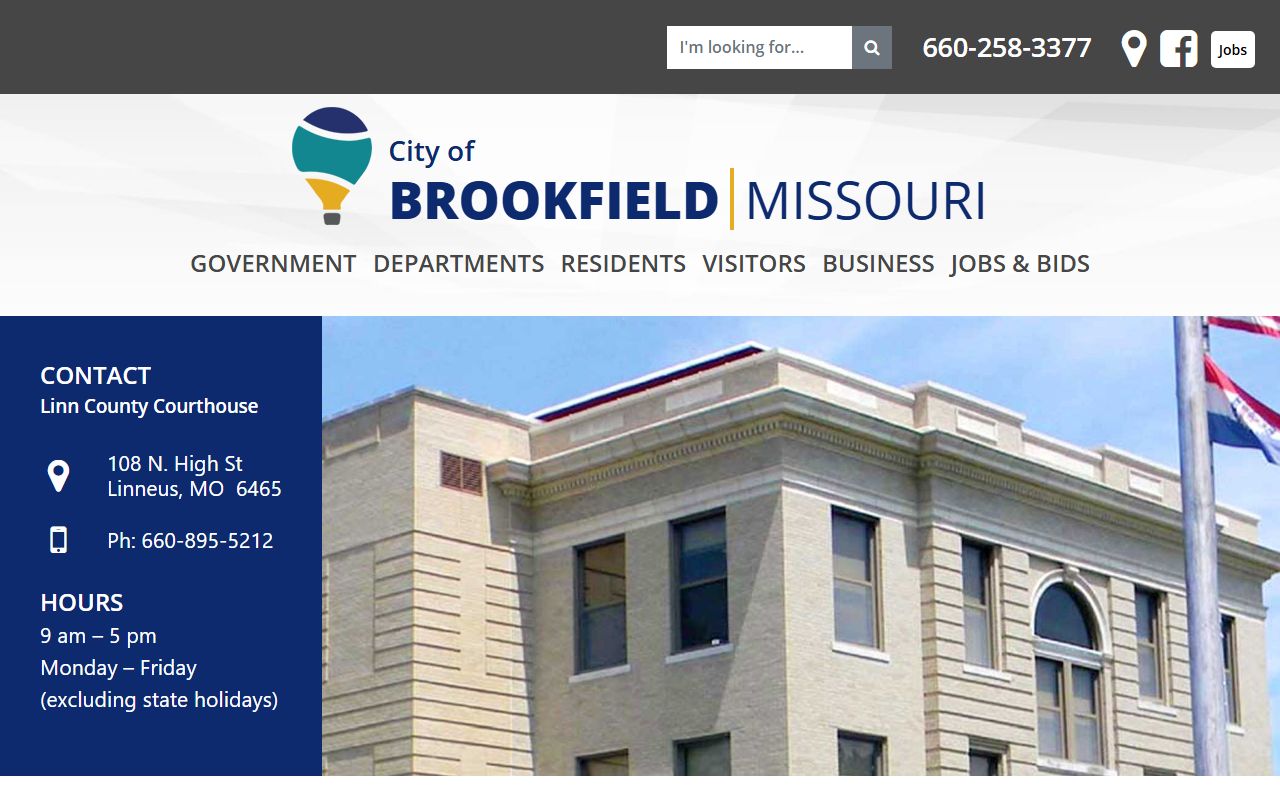
Brookfield's municipal court details give Linn County docket searchers a concrete example of how city ordinance cases fit into the circuit court system.
- Circuit Court: main trial docket for civil, criminal, domestic, probate, traffic, and municipal division filings.
- Associate Circuit Division: local docket for many misdemeanors, traffic cases, small claims, and lower-dollar civil matters.
- Probate Division: estate, guardianship, conservatorship, small estate, and probate-order docket entries.
- Brookfield Municipal Court: city ordinance cases held at the courthouse on a monthly schedule.
- Other municipal divisions: search Case.net and verify with the Circuit Clerk or city contact when official city court details are not posted.
Linn County Hearing Day Security
Court docket research should be paired with courthouse-entry planning. The Linn County Sheriff's Office court-security material says court days use a security checkpoint, and only the south entrance is open while court is in session. Visitors walk through a metal detector, and the court security officer may use a hand wand if the detector alerts. Visitors should wait until they are cleared before moving farther into the courthouse.
Prohibited items include cameras, cell phones, purses or bags, recording devices, guns, knives, pepper spray, mace, razor blades, illegal drugs, weapons, and hazardous materials. Courtroom behavior rules also bar talking with inmates, improper attire, shorts, cutoff shirts, hats, head coverings, disorderly conduct, and refusal to follow bailiff or court-security instructions. Leave extra time when a Linn County docket shows an in-person hearing.
Note: A hearing listed online can still change, so confirm close court dates before driving to Linneus.
Linn County Dockets vs Case Records
A Linn County docket can answer when a case was filed, what has happened, what is scheduled next, and whether a judgment or disposition has been entered. A full case record can include pleadings, motions, exhibits, orders, sentencing documents, probate filings, financial data, and certified copies. The public docket is a strong first check, but it does not replace the official file when a court, agency, employer, attorney, estate, or licensing body needs certified proof.
| Point | Docket | Full Case Record |
|---|---|---|
| Format | Chronological list of court events. | Case file with filings, orders, and public documents. |
| Best Use | Track hearings, status, continuances, warrants, and dispositions. | Review legal filings, certified outcomes, pleadings, and orders. |
| Access | Often online through Case.net when public. | Online in part, or through the Circuit Clerk for copies. |
| Limits | Brief entries may omit protected details. | Some documents may be sealed, redacted, or unavailable remotely. |
Read Linn County Court Dockets
Read docket entries in context. A single Linn County docket can show an initial filing, service attempts, a warrant, a recalled warrant, several continuances, a plea, a sentence, and later payment or probation events. The Linn County contact page is the local source for Circuit Clerk and judicial contacts when an entry needs confirmation. In civil cases, an entry for judgment may not explain the whole order. In criminal cases, a charge may appear before the final disposition, and a dismissed count is not the same as a conviction.
Common terms matter. A continuance means the court date was postponed. A disposition is the outcome of a case or count. Nolle prosequi means the prosecutor dismissed a charge. A suspended imposition of sentence is a Missouri result where a sentence is not imposed if conditions are met. A capias or bench warrant usually relates to failure to appear or comply. When a docket term affects rights, deadlines, bond, or custody, confirm with the court or counsel.
The manifest source for the Missouri court operating rule update screen is Missouri Bar notice on court operating rule revisions.
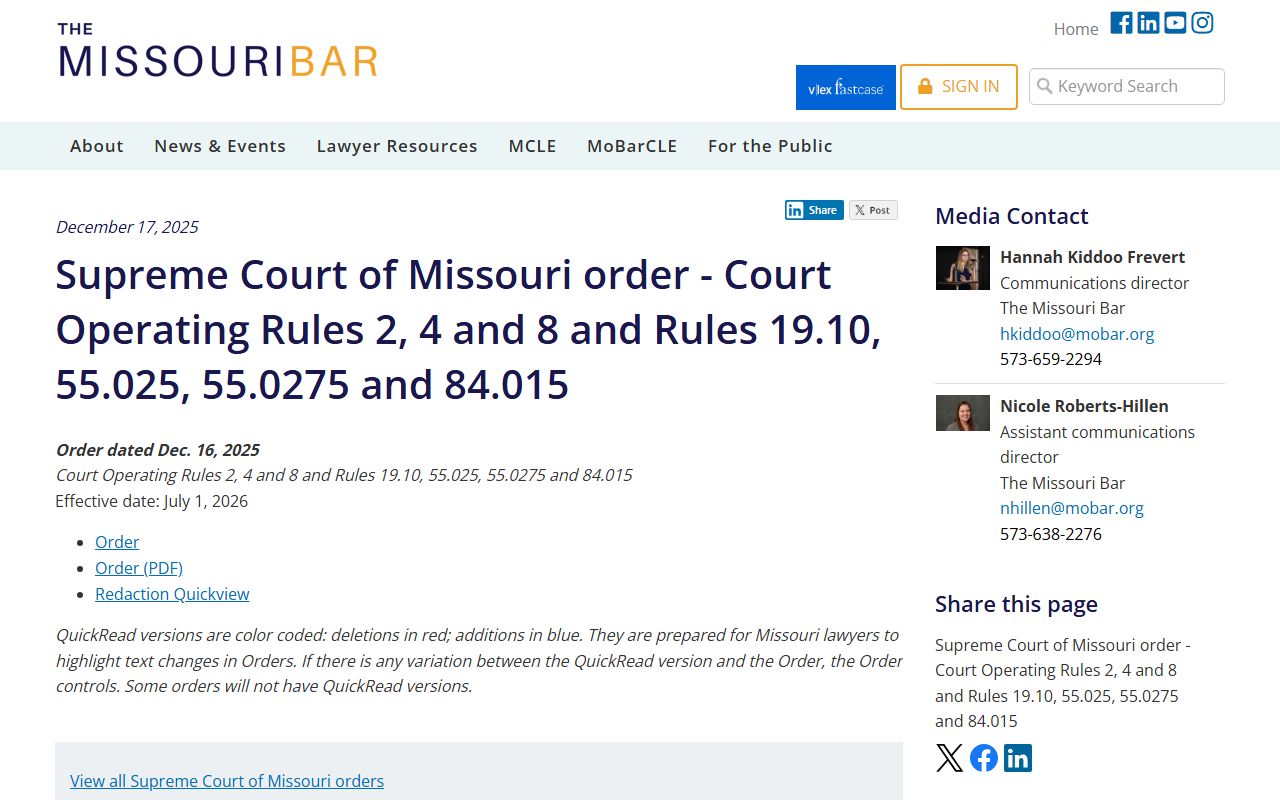
Rule updates are part of the reason docket users should treat online access, redaction, and sealing language as current court-rule issues, not just website features.
Public Record Search
Sponsored Results